Episode 65
Six Months in Sayulita as the World Shut Down
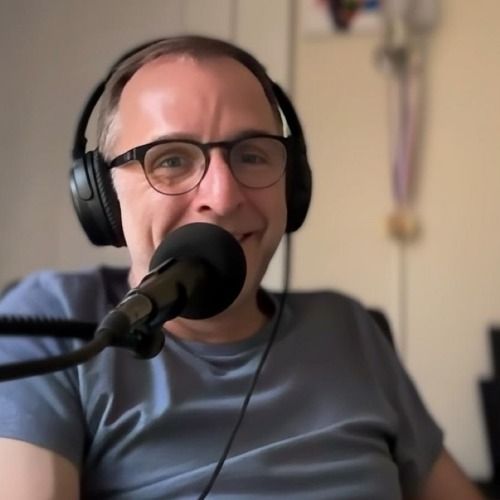
Mike Moll spent most of his adult life in Toronto, building a business he could run from anywhere. In 2019, he and his partner came to Mexico to try working remotely. When COVID lockdowns began they were in Sayulita, so they stayed for six months. Mike has spent at least half of every year in Mexico since 2020, and now plans to put down roots here with his wife. We talk about the community he found, what draws him to Mexico City, why he calls himself an immigrant rather than an expat, and how he thinks about gentrification and belonging.
Follow Mike on Instagram @themikemoll
Please show some support for the podcast and get access to some extra content by subscribing to the Patreon page: http://www.patreon.com/onefjef
Instagram: @onefjefpod
TikTok: @onefjefpodcast
Substack: https://onefjef.substack.com
Facebook: https://www.facebook.com/onefjefpod
YouTube: https://www.youtube.com/@onefjef
Email: onefjefpod@gmail.com
You can also call the podcast and leave a voicemail at 1-669-241-5882 and I will probably play it on the air.
Thank you for listening, please do it again, and then get hit by a Jeep.
Onefjef is produced, edited & hosted by Jef Taylor.
Transcript
My favorite few months of my life were actually during COVID.
Speaker:Sayulita, we had, you know, these beachfront houses
Speaker:'cause everybody was gone.
Speaker:We were renting, you know, 1,500 a, a month when they were
Speaker:supposed to be 600 a night.
Speaker:You know, we hired a lot of, like, the restaurants to come cater
Speaker:dinners and stuff to keep, you know, for that sense of support.
Speaker:Right, right, right.
Speaker:We also had, like, a, you know, pool.
Speaker:We were right on the beach.
Speaker:And it was just like I loosened up more in those months than I ever have in my life.
Speaker:This is episode 65 of onefjef.
Speaker:Hola mis amigos Hello my friends Hello once again Here we are.
Speaker:We are here.
Speaker:Estamos aquí.
Speaker:As always, I hope you're thriving, I hope you're living your best life,
Speaker:and I hope you're happy, wealthy, wise, all the clichéd shit, all of it.
Speaker:I am also thriving.
Speaker:I am also happy, wealthy, and wise.
Speaker:Well, I wouldn't say all those things, but I'll let you guess which one I'm not.
Speaker:You actually don't need to be happy, wealthy, and wise.
Speaker:I think if you get one or two out of three, you're in good shape.
Speaker:And frankly, why am I deconstructing an old clichéd saying?
Speaker:I don't know.
Speaker:I don't know.
Speaker:This is what my brain does.
Speaker:I met Mike Moll, who is my guest today, through Facebook, once again.
Speaker:Right after I moved here, I was scrolling through one of these expat or immigrant
Speaker:groups, and he had posted something saying he's moving to Mexico City, and he has
Speaker:a podcast, and does anybody, I think, wanna come on or meet up or something?
Speaker:So I sent him a message that said, "Hey, I just moved to Mexico City, and I also
Speaker:have a podcast. We should meet up." So we did meet up, um, a couple weeks after
Speaker:he moved here, and then he came over to my former apartment in Roma Sur and came
Speaker:on my podcast about a month after that.
Speaker:And it's a fascinating conversation.
Speaker:Mike's the kind of person that I would never generally know in real life
Speaker:or normal life, if that makes sense.
Speaker:I don't interact with a lot of entrepreneurs, which is what Mike is.
Speaker:But, like, that's the magic of living in Mexico City or any expat community
Speaker:because there's fewer people, so you end up hanging out with people and
Speaker:getting to know people that you never would get to know in the first place.
Speaker:And I kinda love it.
Speaker:Mike's relationship with Mexico is a really interesting one.
Speaker:He moved here from Toronto in 2019 and was here for the COVID
Speaker:lockdown and then on and on.
Speaker:I'm not gonna spoil the entire episode in the introduction.
Speaker:But before we get to that conversation, might I ask you to go to your computer,
Speaker:type in patreon.com/onefjef in your favorite web browser, and sign up
Speaker:for as little as $5 a month to help support this independent podcast.
Speaker:You'll get access to a bunch of extra content, photos, extra
Speaker:episodes, so on and so forth.
Speaker:There'll be more extra content coming in the future.
Speaker:If this podcast ever does get advertising, which it will, you will be able to
Speaker:get ad-free versions of every episode.
Speaker:So there are many valuable reasons to sign up.
Speaker:The most important one is to support an independent podcast that you know
Speaker:and love and enjoy called One F Jef.
Speaker:Patreon.com/onefjef.
Speaker:Thank you.
Speaker:And to all of my continuing Patreon subscribers, thank
Speaker:you, thank you, thank you.
Speaker:But most of all, thank you for listening.
Speaker:Thank you for being here.
Speaker:Here is my conversation with Mike Moll
Speaker:I lived in Toronto for most of my life.
Speaker:Okay.
Speaker:Well, I grew up outside of, but my adult life was in Toronto.
Speaker:Mm-hmm.
Speaker:And the girl I was dating at the time, uh, she was working in
Speaker:a… It was like a translation job, kind of an admin role in it.
Speaker:And we started dating and, and we had talked about traveling,
Speaker:'cause I had traveled a little bit.
Speaker:This is back in 2013, 2014.
Speaker:Okay.
Speaker:I'd, I'd done some traveling in, uh, Italy and, and the
Speaker:Caribbeans and stuff like that.
Speaker:And, and… But this business that I was building, which was now starting
Speaker:to take some shape and have some team and have some revenue, it was
Speaker:like, "You know, we really don't need to be here for this." Mm-hmm.
Speaker:Mm-hmm.
Speaker:And so we had started to plan around 2017 to, like, take three to six months and
Speaker:just try working in a different place.
Speaker:Yeah.
Speaker:Didn't end up happening.
Speaker:My, uh, dad and my mom got cancer at the same time.
Speaker:Ooh.
Speaker:Uh, Dad ended up dying shortly… Well, within three years of that.
Speaker:My grandfather also had, like, this freak medical situation where he's…
Speaker:He had a blood leaking through a pinhole-sized thing in his brain.
Speaker:Jesus Christ.
Speaker:Yeah, all at the same time.
Speaker:Like, the same year, the same month?
Speaker:Pretty much, yeah, yeah.
Speaker:Jesus Christ, dude.
Speaker:So we were just… I was, like, basically living and working out of
Speaker:the hospital- God almighty … for, yeah, about seven, eight months.
Speaker:And, and so everyone… So my dad got a little bit better and then didn't.
Speaker:My mom got fully better.
Speaker:My grandfather passed away.
Speaker:Mm. And around 2019, I just said to her like, "Look, we can't just wait around for
Speaker:more things to keep happening." Mm-hmm.
Speaker:"Because life's gonna keep happening." Mm-hmm.
Speaker:"Things are gonna keep moving." Absolutely.
Speaker:"And so let's just, let's just go." And so she did all the research on where to go.
Speaker:She said, "Hey, this, this Puerto Vallarta place," but obviously
Speaker:saying it in, like, the gringo way.
Speaker:Puerto Val- Puerto Vallarta.
Speaker:Puerto Vallarta.
Speaker:Um, and she was like, "Yeah, they, they have, like, they have this big
Speaker:gay district there-" Uh-huh … "called the Zona Romántica." I see.
Speaker:And she goes, "I feel like if there's a town that's like a… or a city
Speaker:that's very accepting of gays, it probably is a pretty friendly place."
Speaker:Sure.
Speaker:Natural logic.
Speaker:Yeah.
Speaker:So we went, uh, for three weeks and worked remotely and did all
Speaker:that, and it was like, oh, yeah, that, that worked pretty easily.
Speaker:And this was pre-COVID?
Speaker:Yeah.
Speaker:Oh.
Speaker:This is, this was, like- Mid 2019 Trendsetting Yep Yeah And then,
Speaker:uh, at the end of 2019, we went for another six weeks, different house.
Speaker:Okay Uh, like a house up in the hill, and we invited my sister and
Speaker:my niece, and we had a cool time.
Speaker:Yeah And I was like, "Yeah, we could, we could do this. Let's, let's do
Speaker:this." Yeah So we put our apartment up for rent in Toronto, and then we
Speaker:were in Bucerias first, and then we w- discovered Sayulita, which was amazing.
Speaker:And so it was, like, right around the time that COVID lockdown was starting.
Speaker:Yeah Governments were saying, "Hey, guys," like, "You should come back." Mm-hmm
Speaker:My fa- like, our, both of our families were freaking out, and I was like- Sure
Speaker:… "You know, we're in this little place.
Speaker:We found about 12 other people, this, uh, a family, these two brothers
Speaker:and this couple and their friend who were all like, 'Yeah, we're
Speaker:gonna, we're gonna stay, I think.'"
Speaker:'Cause, like- First of all, going back to Toronto in the winter, waiting in line
Speaker:to go get groceries- Right … like, I was like, "I don't… Why?" Yeah, no.
Speaker:"I think we'll be okay here." Yeah.
Speaker:And so we just hung out in Sayulita for six months during COVID and- Wow.
Speaker:Yeah.
Speaker:What was the most surprising thing?
Speaker:Like, what was your impression of Mexico before you, you came here, and
Speaker:then what was your impression, I guess, when you got here that was different?
Speaker:Yeah, I don't think I ever carried the like, "Mexico is dangerous,"
Speaker:this, this and that going on.
Speaker:But I feel like my family was freaked out about it, so.
Speaker:For sure.
Speaker:Yeah.
Speaker:I just, I've always been very detached from media and news, and a lot of
Speaker:people who give advice tend to give advice without experiencing it.
Speaker:For sure.
Speaker:It's like their feeling.
Speaker:I don't care about that.
Speaker:Yeah.
Speaker:Thanks for coming.
Speaker:Right.
Speaker:Like, I just… She showed me some pictures and one YouTube
Speaker:video, and I'm like, "All right. Send it. Let's go." Right.
Speaker:But surprising, I would say the culture.
Speaker:Uh-huh.
Speaker:And I think being around Mexican people during COVID specifically
Speaker:just really broadened my thought process on how to live life, and
Speaker:just, like, the idea of, like, a real community really banding together.
Speaker:For sure.
Speaker:Yeah.
Speaker:'Cause like, it hit Mexico very hard, especially where
Speaker:we were, very tourist-driven.
Speaker:Right.
Speaker:Right, right.
Speaker:Like, Sayulita shut down.
Speaker:Mm-hmm.
Speaker:Nayarit just shut down.
Speaker:Like, our group, like, single-handedly kept a few restaurants open.
Speaker:They, they- Huh … they told us as much.
Speaker:Wow.
Speaker:And but it was like this, "Okay.
Speaker:Well, we can't do this, so I'm gonna make soap, and I'm gonna give it to
Speaker:these people," and, "Oh, I'm gonna make this." And so, like, they just,
Speaker:they just figured it out- Right.
Speaker:Right, right … and really banded together, and some… You know,
Speaker:it's interesting how that happened 'cause when I asked about this
Speaker:community thing, it's like, "Well, we don't trust the government.
Speaker:We know they're, they're not coming for anything," so. Right. "Yeah, that's it.
Speaker:We've got us, and that's, that's how we roll." And it
Speaker:was so different from Canada.
Speaker:For sure.
Speaker:This individualistic- Yep … um, you know, my family goes here.
Speaker:Even within families- Yeah … like, you're old enough.
Speaker:You go over here.
Speaker:Yeah.
Speaker:You know, Grandma's dying.
Speaker:Put her in a home.
Speaker:Yep.
Speaker:Like, here it's such a foreign concept.
Speaker:Yeah.
Speaker:People talk about how warm Latin America is, but until you actually
Speaker:come here and experience it, it's… There's an immediate warmth to
Speaker:people here that really, um, it's off-putting, uh, as an American.
Speaker:You know what I mean?
Speaker:It's so funny 'cause my wife, who I met a year ago in Asia, is, is Russian,
Speaker:and, like, v- their idea of, like- Hmm
Speaker:being friendly to people on the street is to, like, just stare past them.
Speaker:Like, they don't- Yeah … they don't greet anybody.
Speaker:They don't smile.
Speaker:Yeah.
Speaker:It's so against the culture.
Speaker:Yeah.
Speaker:And we're at restaurants constantly.
Speaker:We were just in Querétaro, and, like, people were coming in being
Speaker:like, "Oh, buenos días. Provecho."
Speaker:Provecho.
Speaker:Provecho.
Speaker:Yeah, yeah.
Speaker:Yeah.
Speaker:Like, "Enjoy your meal," and whatever.
Speaker:And, and I'm like, "Babe, they're talking to you." And she goes
Speaker:Why would they say that to me?
Speaker:They don't… I was like, "Yeah, but that's…" Oh.
Speaker:So she's adjusting.
Speaker:She's only been here for four months, and it's a culture shock
Speaker:in the weirdest way for her.
Speaker:It's, it is weird that, that we're so accustomed to not being, I guess,
Speaker:warm and friendly in our, in our home countries that to come to a place that
Speaker:is warm and friendly, it's like we have to get, you have to get used to it.
Speaker:It's like for me, it's also a matter of, like, slowing down.
Speaker:I always feel like I'm in a hurry, and Mexico kind of is like therapy
Speaker:to make me kind of realize, "Okay, you can slow down a little bit.
Speaker:You can, you can walk slower on the sidewalk because the person in
Speaker:front of you is weaving back and forth like they do here." Yeah.
Speaker:Yeah.
Speaker:And, and honestly, I feel like Canada and the US has a very superficial
Speaker:friendliness- Yes … which is nice, uh, unless you've got the, the BS
Speaker:detector, and it's kind of like- Mm-hmm
Speaker:you know, ask about this.
Speaker:"Hey, we should meet up." That was, like, another cultural thing, the like,
Speaker:"Hey, we should meet up." Mm. You know, when you go back and see friends from
Speaker:wherever, and, like, that means, like, "Yeah, it'd be nice if I happen to
Speaker:see you again- Mm-hmm … but I'm not gonna, like, make a plan with you."
Speaker:Right.
Speaker:Here, it's like, "Okay, like, when? When are we meeting? When
Speaker:are we gonna do this now?" Yeah.
Speaker:You know?
Speaker:Yeah, although plans here, maybe you haven't had this experience,
Speaker:but I'm having to adjust my understanding of what plans are.
Speaker:You know what, like, ahorita.
Speaker:It's like we'll do it when we do it.
Speaker:Maybe it'll be 8:00.
Speaker:Maybe it'll be… So you really have to call and confirm, things like that.
Speaker:But- Yeah … so you came to Mexico City.
Speaker:You were here during COVID.
Speaker:But you, how long did you stay after COVID?
Speaker:So I was here till August of 2020.
Speaker:We were supposed to actually th- two other couples that we were
Speaker:friends with were supposed to pack up and move to Spain- Okay
Speaker:all together.
Speaker:But j- because CO- it was COVID- Right, right, right … and everyone's like,
Speaker:"We don't know what's happening." Right.
Speaker:Uh, we went sort of back to Toronto quickly for the summer.
Speaker:Yeah.
Speaker:Did our quarantine, left for Portugal, and then my sister actually had
Speaker:a very severe medical emergency.
Speaker:Jeez.
Speaker:Um, yeah.
Speaker:Some medical problems in your family.
Speaker:Wild.
Speaker:And so we left Portugal early and went back to Toronto.
Speaker:Okay.
Speaker:And then after, we're like, "Okay, she's stabilized. There's nothing
Speaker:we can really do for her." Mm-hmm.
Speaker:We came back to Mexico.
Speaker:Okay.
Speaker:So it's been, it's been in and out.
Speaker:Um, I would say since 2020, at least six to… at least six months
Speaker:in Mexico every year since 2020.
Speaker:Okay.
Speaker:Yeah.
Speaker:You first came here in 2019, which was before the big wave of
Speaker:foreign immigrants started coming into Mexico City particularly.
Speaker:What's the differences that you've seen between when you first started coming
Speaker:to Mexico or Mexico City and then now?
Speaker:I think I came for the first time to Mexico City in 2022.
Speaker:Okay.
Speaker:It was, it wasn't before that.
Speaker:So it was already starting at that point, yeah.
Speaker:It was already starting, and I noticed, like, between now or then
Speaker:and now, the volume is certainly higher, the temperature towards people
Speaker:more so than the volume of people.
Speaker:And what, what do you mean by that?
Speaker:I, like, I think most of the Mexican people that I interact with here
Speaker:are still, like, fairly- For sure
Speaker:indifferent about- Yeah … foreigners being here 'cause there's kind
Speaker:of an inevitability about it.
Speaker:Right.
Speaker:I find the people that have traveled more get it 'cause they're like,
Speaker:"Oh, this is everywhere." Right.
Speaker:"It's just a different type of person, and it, but it's"-
Speaker:Right … it's happening everywhere.
Speaker:But I think there's, yeah, there's a bit of a shift in energy of, like, level of
Speaker:invitation or level of, like, wanting there to be such a mixed culture here.
Speaker:Right.
Speaker:I feel like there's a lot of people that wanna c- reclaim
Speaker:certain areas and cultures.
Speaker:And, and listen, I 100% agree.
Speaker:For sure.
Speaker:I don't think there should be signs that are, like, just English and not Spanish.
Speaker:For sure.
Speaker:Because I've traveled to so many countries, I think over 20 now,
Speaker:I've seen how this works, and it's always a different person or
Speaker:a different group that's coming in and interrupting the space.
Speaker:Yeah.
Speaker:But it's, there's an inevitability about it with globalization and, and- For sure,
Speaker:yeah … the way the economies are going.
Speaker:I think international gentrification is gonna be the story of
Speaker:this, the century, really.
Speaker:And I don't know how you actually solve a problem like that or if
Speaker:it's a problem even to be solved.
Speaker:But it's definitely an interesting situation, 'cause in Mexico City I
Speaker:feel like it's happened very quickly.
Speaker:Like 2020 is when it began, and then it just kind of exploded.
Speaker:Yeah.
Speaker:Um, I don't know how I'd feel about it, 'cause I think before 2020 it was
Speaker:pretty, it's a pretty homogenous city.
Speaker:Yeah.
Speaker:And there's so many issues.
Speaker:Like, you know, how much rents of course, blah, blah, blah.
Speaker:How many, coffee costs as much as it costs in the States now.
Speaker:Um, by the way, how can Mexico City sustain this many coffee houses?
Speaker:There's more than in New York.
Speaker:It's ridiculous.
Speaker:Yeah Like every block.
Speaker:Two have opened in my neighborhood since I moved here.
Speaker:Yeah.
Speaker:Two.
Speaker:That's crazy.
Speaker:It is.
Speaker:What's your favorite thing about Mexico City?
Speaker:What's brought you back to Mexico City so many times?
Speaker:There's a building energy here.
Speaker:And I go in phases.
Speaker:So I, I, I've built a couple of different companies- Mm … and part of what
Speaker:I do is help people build companies.
Speaker:Right Offers and, and sales strategy.
Speaker:And so sometimes I just want to be at the beach.
Speaker:Mm-hmm.
Speaker:I want that like, you know, 5:30 in the morning, go to the beach and journal
Speaker:energy- Right … for some time.
Speaker:For sure.
Speaker:But when I'm like in building company mode, I like to be in a busy city.
Speaker:Mm-hmm.
Speaker:And I've just found this place to just have the perfect mix
Speaker:of art- Culture, food, people.
Speaker:Like, it's just, it's just such a wonderful place.
Speaker:Weather.
Speaker:Weather, yeah.
Speaker:Pollution's the only downside.
Speaker:Yeah.
Speaker:P- pollution and noise, but you're gonna get noise in most-
Speaker:You are … in most places.
Speaker:Mm-hmm.
Speaker:You know, I've spent some time in, in Lima, Peru- Mm-hmm … uh,
Speaker:in Cape Town, South Africa, which is ki- I mean, it's a big city on
Speaker:the beach, so it's hard to say.
Speaker:Right.
Speaker:But I think in terms of, of quality of life, access to amenity, and
Speaker:I find, you know, a lot of big performances and performers and shows
Speaker:are coming- Mm-hmm … through here.
Speaker:Yeah.
Speaker:Like, we just saw Andrea Bocelli.
Speaker:More than ever.
Speaker:Yeah.
Speaker:We just saw The Weeknd.
Speaker:I saw Mark Normand, the comedian.
Speaker:Yeah.
Speaker:So, like- Oh, he came through when?
Speaker:When was he here?
Speaker:Oh, it was b- it was- It was a while back … last year.
Speaker:Okay.
Speaker:But just, like, I was like- Still … "Oh, he's … Like, he's coming?" Yeah.
Speaker:Like, I- Crazy … I'd love to go see that.
Speaker:And so, yeah, just kinda having that, that mix of, like, big entertainment
Speaker:as well as, you know, there's just so much cool stuff happening,
Speaker:like the fashion scene and the
Speaker:It kinda reminds me, like, a little bit of Montreal- Mm … but less snobby.
Speaker:Uh-huh.
Speaker:Yeah, it's almost overwhelming how much stuff is going on here.
Speaker:When I first got here, I felt like, "I wanna see all the things, do all
Speaker:the things," et cetera, et cetera.
Speaker:But then the longer you're here, you realize you just, you just can't.
Speaker:The experience you're having is the experience you're having, right?
Speaker:Yeah.
Speaker:What would you say is the most annoying or worst thing about living in Mexico City?
Speaker:Cell phone connection and Wi-Fi.
Speaker:Yeah, although the Wi-Fi in this place is faster than any internet
Speaker:I've ever had in the United States.
Speaker:I've not had that experience- I think it's wi-
Speaker:pretty much anywhere … I think it's, I think it's fiber here.
Speaker:Yeah.
Speaker:Yeah.
Speaker:Uh, but I just, like, in terms of the flakiness of it- Yeah, yeah,
Speaker:yeah … so for me, you know, coming from Canada- For sure … and listen,
Speaker:if you're outside of a major city in Canada, it's not that great either.
Speaker:Oh, is that right?
Speaker:Yeah.
Speaker:But I was doing a comparison, 'cause I lived in Vietnam for 10 months last year.
Speaker:Mm-hmm.
Speaker:And kinda like there's a lot of, a lot of similarities between Vietnam and
Speaker:Mexico, like more than you'd expect.
Speaker:And even my wife, who lived there for a decade, when she
Speaker:got here, she's like, "Huh.
Speaker:This is-" Hmm … "very s- very similar." Like, like what?
Speaker:There's a, an attitude about work that is similar between the cultures.
Speaker:What do you think that attitude is?
Speaker:I'm curious.
Speaker:It's kinda like, "I'm here, and I'm getting paid to do what
Speaker:you're getting me to do." Mm-hmm.
Speaker:But, like- Nothing beyond that, and after the clock is done- Right … I'm out.
Speaker:Work is not life.
Speaker:That, that real balance of- Yeah … of work and, and life- Yes … that is
Speaker:ingrained in c- again, coming from Canada where it's like, "You're making six
Speaker:figures, why aren't you making this?"
Speaker:Uh-huh.
Speaker:Mm-hmm.
Speaker:"Why don't you have this car? Why don't you have this apartment?" You know?
Speaker:Win, win, win.
Speaker:Win, win, win.
Speaker:Yeah.
Speaker:Yeah.
Speaker:Like, this, this relentless beating of the drum of, "You gotta do more, do more, do
Speaker:more." So- I don't, I don't care for that … so culturally there is that similar.
Speaker:There's also this, like, energy where it's like, if you're not
Speaker:doing something terrible, but it's not the right way, it's fine.
Speaker:Mm-hmm.
Speaker:You know, where it's like you can kind of get away with more stuff.
Speaker:Again, I'm comparing this to Canada and the US where it's like- For
Speaker:sure … very strict, here's the rules.
Speaker:Yeah.
Speaker:We don't even understand where the rules came from.
Speaker:We are gonna enforce them to a T. Right, right.
Speaker:I feel like there's this kind of looseness and this openness, which is like, if
Speaker:you're not hurting anyone, if you're not doing anything terrible, like, it's okay
Speaker:to go a little bit outside the lines.
Speaker:Yeah.
Speaker:Yeah, yeah.
Speaker:That's interesting.
Speaker:You know?
Speaker:Um, but then there's like, you know, the cellphone service
Speaker:and the internet in Vietnam.
Speaker:Right, right, right.
Speaker:And the coffee shop, like, work culture, which th- that's a whole argument of
Speaker:should you be working in a coffee shop.
Speaker:I don't often, but when I do, I like to not have to put in a 17-character
Speaker:password reluctantly for the wifi.
Speaker:Like, what are we doing?
Speaker:Yeah, yeah, yeah.
Speaker:In Vietnam, they're like, "It's one, two, three, four, five, six, seven, eight,"
Speaker:and you're good, and it's lightning fast.
Speaker:Your phone is, you know, 5G, $6 a month- Right, well Asia … or $5 a day.
Speaker:You know- I mean, it's, yeah, it's- There's things about Asia that are true.
Speaker:You know, stereotypes th- and the internet is, yeah.
Speaker:Yeah.
Speaker:Even when I was there in Korea, I lived in Korea, I mean, 20, 25
Speaker:years ago now, and the internet then was even, like, super, super fast.
Speaker:Yeah.
Speaker:Yeah, yeah.
Speaker:So go ahead.
Speaker:Yeah, and then there's, there's these little things that are off about-
Speaker:customer service related to, like, amenity or fun or interactive things.
Speaker:Like when we s- when we were in Vietnam, like even go to the movie theater.
Speaker:Okay.
Speaker:They have this, like, very specific process where you have to, like, buy
Speaker:the ticket from the same guy that you get the food order from- … but then
Speaker:you take the food order voucher- … and you go to the food order table.
Speaker:And you're like, "Well, hold on.
Speaker:I just wanted a movie ticket." This guy's trying to choose, like, what
Speaker:flavor of this, and what size this, and which, which candy would you like.
Speaker:I'm like, "Just go buy it over where the food is." Like, what are we doing?
Speaker:And, like, there's some things in Mexico that we've run into where it
Speaker:just, like- Ugh … is so illogical in terms of, like, the way it functions.
Speaker:What do you got?
Speaker:You got anything example-wise?
Speaker:Oh, boy.
Speaker:I'm curious.
Speaker:Yeah.
Speaker:Um- 'Cause I would say the garbage thing- Yeah … that was surprising to
Speaker:me, the dinging bell garbage, you know?
Speaker:But the more I thought about it, it, it, it annoys me a little bit 'cause
Speaker:I'm never ready to take out my garbage.
Speaker:Mm-hmm.
Speaker:But, uh, I lived in New York for 10 years, and there there's garbage
Speaker:all over the street all the time.
Speaker:Right.
Speaker:And, like, you just don't see that here, right?
Speaker:Yeah, which is beautiful.
Speaker:It's amazing.
Speaker:Yeah.
Speaker:Right.
Speaker:So it works.
Speaker:Yeah.
Speaker:We went to, uh, when we were in Vallarta, we went to, uh, Sanborns,
Speaker:which is, like, that department store.
Speaker:Yeah.
Speaker:We just, we needed to go in and get a deck of cards or something like that.
Speaker:Sure.
Speaker:And the, on the corner is where the exit comes out, and then one
Speaker:meter to the right on the main street is where the entrance is.
Speaker:Right.
Speaker:And, like, we walked in the exit- Because the- Sure … the
Speaker:signage isn't really great.
Speaker:It happens.
Speaker:And the lady was like, "No, no, no, no, no.
Speaker:Get out." I was like, "Huh?" Like, there's a gap right in front of her
Speaker:to walk into where the entrance is.
Speaker:Yeah, yeah, yeah.
Speaker:Nothing blocking it.
Speaker:Right.
Speaker:There's no pillar, there's no desk.
Speaker:Right.
Speaker:It was like, "Can I just take two steps past you and continue?" Right.
Speaker:"No, no.
Speaker:Go outside, turn around the corner, walk down the street, come back
Speaker:in." And it was like- … "Huh?
Speaker:What are we talking about?" It's like- It's like if you brought, like if
Speaker:you brought a water bottle with water with- through TSA, you gotta go all
Speaker:the way back around and do the dance.
Speaker:Yeah, yeah, yeah, yeah.
Speaker:Mm-hmm.
Speaker:And, like, the whole, you know, having to lock up your, your
Speaker:backpack in a grocery store.
Speaker:Oh, I've never had to do that.
Speaker:Yeah, it's- I've never brought a backpack to a grocery store,
Speaker:so I guess that's probably why.
Speaker:Got it.
Speaker:Yeah.
Speaker:Like, very, very prevalent in, in Vallarta.
Speaker:They have, like, lockers or, um, someone at, like, a f- a, a desk.
Speaker:Mm-hmm.
Speaker:Where you have to go, you give the bag, you get a ticket or a card.
Speaker:I've had that in the States, though, like in the museums and stuff like that.
Speaker:Yeah.
Speaker:A museum, yeah, but a grocery store.
Speaker:It is, it is weird.
Speaker:Yeah.
Speaker:And I get, you know, fine- I mean, how- … it's anti-theft … theft.
Speaker:Yeah … and I get it, but it's like, I don't know, stuff
Speaker:like that drives me crazy.
Speaker:Yeah.
Speaker:Yeah, yeah.
Speaker:I haven't had to deal with paperwork from Mexico City fortunately
Speaker:yet, but apparently that's just a nightmare having to deal with
Speaker:paperwork, 'cause they will look for anything to reject on these papers.
Speaker:Yeah.
Speaker:And just stacks of papers everywhere.
Speaker:It's still very much a paper-based government and bureaucracy
Speaker:and so forth and so on.
Speaker:Yeah, we got married in Vallarta.
Speaker:Yeah.
Speaker:And it was like, "Go to this office, get this thing printed, go to
Speaker:this place, get this document, get this, get this, get this." Yeah.
Speaker:"Bring it here." And it was like, you don't even book an appointment,
Speaker:you just kinda go up to the window and you're like, "Hey, it's us.
Speaker:We're coming back to make sure our documents are good."
Speaker:"Oh, yeah. Just come on through." Like, like, the structure of- Right … that.
Speaker:Mm-hmm.
Speaker:And, like, in some ways, if you can make friends and get away with stuff-
Speaker:Sure … and it's faster- Sure … cool.
Speaker:Yeah.
Speaker:But if you're on the outside looking in on that, it's- Yeah … kind of a pain.
Speaker:I've heard some nightmare stories about getting, like, a, you know, going in
Speaker:and getting your temporary residency and all that kind of thing, and trying
Speaker:to get it all, 'cause you, one thing's wrong, you gotta get back in line
Speaker:again and all these kind of things.
Speaker:Have you been basically digital nomading since 2020, or do you still
Speaker:go back to Toronto from time to time?
Speaker:No, I, I spend less than a month in Canada a year on average.
Speaker:For the last, what, five years or so?
Speaker:Yeah.
Speaker:Six years?
Speaker:Yeah.
Speaker:Yeah, since 2020.
Speaker:You know, you don't know when you're planning on going to work remotely.
Speaker:It's like, am I gonna be able to focus?
Speaker:Is there gonna be- Yeah … complications?
Speaker:Like, there's so many reasons to, why it's like, it won't work or it couldn't work.
Speaker:Uh, uh, ultimately most of them are just excuses if you- For sure … you can
Speaker:kind of just figure out how it works.
Speaker:But no, I've been, I've been, you know, in, in Europe, a bunch of
Speaker:places in Europe, uh, in Namibia and South Africa and Asia, but
Speaker:not one week here, one week there.
Speaker:When I go somewhere, I go for, like, one to three months- Yeah, 'cause it's
Speaker:exhausting otherwise … two months.
Speaker:Yeah, and I just find, like, learning how other people live and seeing how
Speaker:the world works has just made me so much more creative, tolerant, happy.
Speaker:Yeah.
Speaker:I don't know.
Speaker:There's something about it that, like, really lights me up.
Speaker:Yeah, yeah.
Speaker:W- do you have any good, like, what's, uh… Six years of digital nomadic
Speaker:traveling around, you've gotta have, uh, like, one or two solid travel stories.
Speaker:Sure.
Speaker:My favorite few months of my life were actually during COVID.
Speaker:Mm-hmm.
Speaker:Sayulita, we had, you know, these beachfront houses
Speaker:'cause everybody was gone.
Speaker:We were renting, you know, 1,500 a, a month when they were
Speaker:supposed to be 600 a night.
Speaker:You know, we hired a lot of, like, the restaurants to come cater
Speaker:dinners and stuff- … to keep, you know, for that sense of support.
Speaker:Right, right, right.
Speaker:We also had, like, a, you know, pool.
Speaker:We were right on the beach.
Speaker:We got, we bought a ping pong table.
Speaker:We played, you know, we had ping pong tournaments every single night.
Speaker:And it was just like, I- loosened up more in those months than I ever have
Speaker:in my life, 'cause I've always been a very straight line, kinda strict,
Speaker:don't be like, don't be a second late.
Speaker:Like, I've, I've always been a very, um- Right … not neurotic, but like close.
Speaker:Yeah.
Speaker:Kind of- I, I, I relate … you know?
Speaker:Yeah.
Speaker:And, and I just, there was something about just seeing this other way of
Speaker:life that, like, it opened my soul.
Speaker:And like, I almost went, like, to the far end.
Speaker:Like, I almost went hippie for a bit.
Speaker:You know?
Speaker:And then I was like, "No, I like, I like money and, and not
Speaker:wearing tank tops every day."
Speaker:But- … but there was like, I don't know, it just, it really opened
Speaker:my, my mind and my soul more than anything that's ever happened.
Speaker:Hmm.
Speaker:I would say, like, right up there would be, uh, you know, self-drive
Speaker:seven-day safari, you know?
Speaker:Oh, wow.
Speaker:Four vehicles.
Speaker:That's fun.
Speaker:You know, these four-wheelers, literally driving it through,
Speaker:like, riverbeds and up mountains.
Speaker:Uh-huh.
Speaker:And the guy was like, "Just learn to drive.
Speaker:Get up the hill." "It doesn't matter." Like, driving on the wrong side of the
Speaker:r- the road with a left-handed stick shift, trying to- Uh-huh … manage it.
Speaker:It was like- Yeah … sleeping in these rooftop tents.
Speaker:So, so, so cool.
Speaker:Um- Nice … I haven't, honestly, I haven't had that much bad stuff.
Speaker:I've had a lot of bad dates.
Speaker:Like, real nightmare-ish dates.
Speaker:G- give me, give me one.
Speaker:Oh, boy.
Speaker:I love these stories.
Speaker:Yeah.
Speaker:I was, I was living in Querétaro at the time, and I met this yoga
Speaker:teacher, super cute, and she lived near San Miguel de Allende.
Speaker:Okay.
Speaker:Just outside.
Speaker:Yeah.
Speaker:And we had gone on one date, and it was fine.
Speaker:Mm-hmm.
Speaker:She was very sweet and da, da, da, da, da.
Speaker:Yeah.
Speaker:And she, she asked me to do something again.
Speaker:Mm-hmm.
Speaker:And I don't know, I don't know if I would've asked her to do something.
Speaker:It was kind of just like an okay- Sure … time, you know, not a great
Speaker:conversation, not… Like, the energy was okay, but- Right, right, right
Speaker:anyway, so she said, "Hey, I've got two houses, and they're in this gated
Speaker:community, and we've got, like, pools, and we've got da, da, da, da, da." Mm-hmm.
Speaker:She said, "Just come spend the day. It's such a cool place." Okay.
Speaker:Um, and it was, like, quite a big… It was, like, a gated community with, like,
Speaker:five other gated communities inside of it.
Speaker:And so we're at her place, and you know, we're sitting out in the backyard.
Speaker:We go for a swim.
Speaker:We're just- Mm-hmm … chatting, da, da, da, da, da, and all of a
Speaker:sudden she, "Oh, we should have some wine." I said, "Yeah, okay.
Speaker:Why not?" Yeah, sure.
Speaker:It's Saturday.
Speaker:Okay.
Speaker:Let's go for it.
Speaker:What she meant was, "I'm gonna drink two bottles of wine."
Speaker:And I'm talking, this girl was, like, you know, 5'3", 90 pounds.
Speaker:Right, right, right, right.
Speaker:Maybe.
Speaker:Right.
Speaker:Maybe.
Speaker:Right.
Speaker:Tiny, tiny human.
Speaker:Right.
Speaker:And she got blackout drunk And so, like, she kept trying to- Mm … you
Speaker:know, sexually advance, and I was like, "Hey, I, like, I'm out on this." Right.
Speaker:"Actually, I gotta, I gotta go." 'Cause I did have, I have a cat.
Speaker:I, I owned a cat at the time.
Speaker:Okay.
Speaker:And I said, "Hey, I gotta, like, I gotta go home- Right … and feed the
Speaker:cat. I've been gone all day." Right.
Speaker:"This has been super nice." Like, I had been there for several hours now.
Speaker:Yeah, yeah, yeah, yeah, yeah.
Speaker:I, I was kinda ready anyway, and she just, like, refused.
Speaker:Huh.
Speaker:And now the problem was, where she was, Ubers and cabs couldn't get to it 'cause
Speaker:there was two sets of gated guards.
Speaker:Sure, sure.
Speaker:So unless she- Let you out … gave them permission- Yeah,
Speaker:right … to let the Ubers come in.
Speaker:So I had, I kept ordering them, and I'm sitting on the front lawn, and
Speaker:she's just, like, yelling at me and, like, telling me off and whatever.
Speaker:And all the Ubers kinda got to a certain point, and then they
Speaker:were like- They would turn around
Speaker:canceled.
Speaker:Uber c- so it was, like, five- Your rating's going down
Speaker:too … five cancellations.
Speaker:Right.
Speaker:And I was like, "You know what? I've had enough," 'cause she just
Speaker:kept, you know… You know, when someone's blackout, it's, like, the
Speaker:same question over and over again.
Speaker:Yeah, yeah, yeah.
Speaker:It's very annoying.
Speaker:There's no logic.
Speaker:Very annoying.
Speaker:It's just loop.
Speaker:Yeah.
Speaker:And I was like, "You know what? I'm just gonna walk." Right.
Speaker:I'm gonna walk.
Speaker:It was, like, I don't know, maybe two kilometers to get outside of
Speaker:this- Right, compound … compound.
Speaker:So I start walking, I've got my bag, blah, blah, blah, blah, blah.
Speaker:She goes back, and I was like, "Okay, perfect."
Speaker:Good.
Speaker:You know, it was, it was pretty unpleasant, but like- Sure.
Speaker:But- At least- No harm, no foul … like I can go home now.
Speaker:Yeah, yeah.
Speaker:She wasn't giving up.
Speaker:She was going home to get her Jeep.
Speaker:She then proceeded to drive up over the curb, onto the sidewalk,
Speaker:and hit me with her Jeep.
Speaker:Wow.
Speaker:She wasn't going super fast.
Speaker:Oh, good, good.
Speaker:But she… And then she, like, was super apologetic, and I was like,
Speaker:"No, no." She's like, "Let me at least drive you to the front gate now-"
Speaker:Oh … "because I've hit you with my car." And I'm like, "No, no, no." No.
Speaker:I'll go.
Speaker:"Leave your Jeep right here. I'm out." So I got- Yeah.
Speaker:She hit me with her car.
Speaker:Well, she liked you.
Speaker:I guess.
Speaker:Yeah, she clearly likes you.
Speaker:You really charmed her.
Speaker:Yeah, yeah.
Speaker:Do you have a lot of Mexican friends?
Speaker:Yeah.
Speaker:Well, let me preface.
Speaker:I don't have a lot of friends in general.
Speaker:Okay.
Speaker:I don't… Like, I, I'm not a big go out to a lot of social things anyways.
Speaker:Yeah.
Speaker:Um, but relatively speaking to, like, the friend group that I have in Mexico City,
Speaker:it's probably 60% foreign, 40% Mexican.
Speaker:Okay.
Speaker:Yeah.
Speaker:Yeah.
Speaker:'Cause I feel like a lot of the gringos and expats here don't necessarily
Speaker:interact with a lot of… It's like an outsider group, and that happens
Speaker:with every kind of foreign group.
Speaker:That's always, like, you know, they connect as a community, and I feel like
Speaker:that's part of the animosity towards gringos here is that there's not a
Speaker:lot of effort made to integrate or try to accept the culture or learn the
Speaker:language from a certain subset of the gringo community or the expat community.
Speaker:Yeah, I think it's, I think it's important.
Speaker:I think learning the language is important.
Speaker:I think, like, even- Or at least trying.
Speaker:I mean, make an effort, you know?
Speaker:Yeah.
Speaker:I mean, even thinking about in Canada, like the frustration of someone who,
Speaker:especially who's like came over 20, 30 years ago- Mm-hmm … you know,
Speaker:and like you didn't learn English.
Speaker:Like it's so, it's so insulting, and you kinda wanna just
Speaker:be annoyed with the person.
Speaker:So I- Yeah … because I've felt that about other people, I was like, "I don't
Speaker:wanna be that guy." And admittedly, it took me longer than it should have to
Speaker:get into it, but, you know, then I spent a year really dedicating to it and-
Speaker:It does give you a really strong new perspective on how fortunate we are to
Speaker:come from a countries where the language that we learned as kids is basically…
Speaker:I don't know.
Speaker:There's a name for the international language that everybody has to
Speaker:learn or everybody does learn.
Speaker:But boy, what a gift, right?
Speaker:'Cause how hard would it be, uh, like as a Chinese person, to come
Speaker:here who doesn't know Spanish.
Speaker:Like, what would you, you know, what do you do?
Speaker:You end up speaking English, right?
Speaker:Yeah.
Speaker:Yeah.
Speaker:Perspective is a gift.
Speaker:Yeah.
Speaker:And I think, I think for me, you know, travel is perspective if, if you, if
Speaker:you integrate, if you do it right.
Speaker:And that's why, like, when I go somewhere, I tend to, you know, find
Speaker:my gym, find my grocery store, find like the places- Mm-hmm … that I'm
Speaker:going to go to every single time.
Speaker:Also a bit of a creature of habit.
Speaker:Right.
Speaker:And then whatever happens outside of that, that's fine, but at least
Speaker:I'll get to see in that little hub or in that little bubbled area, like-
Speaker:How do the people of that country spend their time- Yeah, yeah, yeah
Speaker:… energetically and things like that?
Speaker:Yeah, yeah, for sure.
Speaker:Do you have any thoughts on the difference between expats and immigrants?
Speaker:Because a lot of people would argue that expats are people coming from a
Speaker:richer country to a less wealthy country to, to stay for a period of time,
Speaker:but they're gonna leave, whereas an immigrant's going to another wealthier
Speaker:country from a poorer country because they need money for their family.
Speaker:Yeah, I don't, you know, I think that people use the term expat to avoid using
Speaker:the term immigrant because there's an association with it that, you know-
Speaker:That they don't wanna, yeah … that's, that's a negative thing and, and like
Speaker:million different variations of the subject matter on, on immigration and
Speaker:those practices and stuff like that.
Speaker:Sure, sure, sure.
Speaker:But I think if you've left your country to live somewhere else, it's immigrant.
Speaker:Like, I understand that, you know, the connotation between
Speaker:the two is kind of like one's punching up, one's punching down.
Speaker:Yeah.
Speaker:But I think that's just a, an, an ego-driven bit of language.
Speaker:That's interesting.
Speaker:Yeah, I can see that.
Speaker:I can s- so you consider yourself an immigrant?
Speaker:Yeah.
Speaker:Okay.
Speaker:Yeah, absolutely.
Speaker:Even when you're going to a country for, say, two months?
Speaker:No, no.
Speaker:Yeah, two months, like, so Mexico's very different than
Speaker:the other places that I've been.
Speaker:'Cause you've come here many, yeah.
Speaker:Yeah, I got, you know, I have my residency here.
Speaker:I have a bank account here.
Speaker:I have, I don't have a company here yet, but that's coming very soon.
Speaker:So no, I, like this is the place where I plan to, like, lay roots,
Speaker:live, pay taxes, et cetera.
Speaker:Oh, okay.
Speaker:Um, I'm actually a non-tax resident of Canada, so I'm even more disconnected
Speaker:from Canada than the average person.
Speaker:Huh.
Speaker:I don't, I don't have, uh, healthcare there.
Speaker:I don't have, uh, I don't contribute to, like, old age pension there anymore.
Speaker:Uh-huh.
Speaker:Um, I don't have credit there anymore.
Speaker:Like, I'm- Huh … I'm detached.
Speaker:How does that happen?
Speaker:Uh, unlike the US, you're allowed to do it.
Speaker:You can make- Right … a declaration of, uh- Oh … but there's an exit tax.
Speaker:So depending on your assets, uh, whatever you own, you get taxed on the way out.
Speaker:Oh, okay.
Speaker:But I'll always have my passport and my citizenship there.
Speaker:Right.
Speaker:Any thoughts or advice for people?
Speaker:I mean, there's probably a lot of people … I don't wanna become one of these podcasts
Speaker:that's like, "Five things that I should've known before I came to Mexico City." Yeah.
Speaker:Is there anything that you wish you had known before you came here?
Speaker:I think the biggest thing is I have friends from ar- around the world and, and
Speaker:a lot of them have come to Mexico City.
Speaker:Right.
Speaker:And it's really interesting for me to see the mixed reaction Because
Speaker:all it takes on a trip is the, you know, got food poisoning, someone
Speaker:was rude- Mm. Something happened- Right … and then all of a sudden
Speaker:you're like, "Oh, this is a bad place."
Speaker:So what I have started doing before I travel to a place is I actually try
Speaker:and consume about two to three hours of YouTube videos- … from different
Speaker:creators- Right … about the place.
Speaker:Right, right, right.
Speaker:Because I think if you know that there's gonna be some cultural differences-
Speaker:Sure … this is a perfect example.
Speaker:My grandmother came down for the first time last year.
Speaker:Okay.
Speaker:She came for two weeks.
Speaker:She's never been to a place that wasn't on a resort-
Speaker:Mm … or that wasn't in Florida.
Speaker:Mm-hmm.
Speaker:And they've traveled Europe and various places, but, like, being
Speaker:in, like, suburban Mexico was never something that she's done.
Speaker:Sure.
Speaker:And so, you know, you, you kinda l- you're like, "Okay, well how is this gonna
Speaker:compare to her, like, super quiet suburb- Right … of Toronto?" Right, right.
Speaker:Like, okay, well, it's gonna be noisy.
Speaker:Uh-huh.
Speaker:The sidewalks are gonna be kinda sketchy- Yeah … especially in Vallarta.
Speaker:Yeah.
Speaker:Um, and so, like, what I found myself doing is, like, before she came, I'm like,
Speaker:"Look, the way that people make a living and sell is, is they're out in the street.
Speaker:You can go to the store, too, but, like- Yeah … there's a water guy.
Speaker:There's a knife sharpening guy.
Speaker:Yeah.
Speaker:There's a gas guy.
Speaker:There's a tamales guy.
Speaker:There's a this.
Speaker:There's a sweet potato guy.
Speaker:There's a that.
Speaker:And they all have their own sounds- Yep … whether it's, you know, a
Speaker:prerecorded thing or a bell or a, a vocalization, whatever that thing is.
Speaker:So I was like, "You know, she's gonna have a really hard time
Speaker:with… 'cause it's so noisy compared to what she's used to." Yeah.
Speaker:You can't, you can, Europe- you can hear a pin drop in her house.
Speaker:It's- I'm sure … suburbs- Yeah … you know, up against a ravine, deadly quiet.
Speaker:Mm-hmm.
Speaker:So when I was, when she was coming down, I thought about how I
Speaker:should prepare her, and so I did.
Speaker:I sent her some videos that kinda talked about how the culture is, what it's like,
Speaker:'cause I think if you, if you think it's gonna be like home- And then you get
Speaker:there and it's super different from home.
Speaker:Right, right.
Speaker:There's this automatic, like, I'm uncomfortable.
Speaker:Exactly, yeah.
Speaker:And, and the time it takes to adapt to that discomfort can make someone
Speaker:be like, "I don't like this place."
Speaker:Uh-huh.
Speaker:But I think if you understand the cultural differences before you go, it's
Speaker:like there's that expectation of it.
Speaker:Mm-hmm.
Speaker:And I, I feel like it's the same thing as like when you
Speaker:watch the previews for a movie.
Speaker:Yeah.
Speaker:Right?
Speaker:When you wa- You're like, "Okay, like I know this, the general gist.
Speaker:I know this is the general storyline.
Speaker:I know these things." Right, right, right.
Speaker:I think, I think nowadays- It's getting, it- … honestly, movie
Speaker:trailers d- or the whole movie, it sucks … it makes me angry.
Speaker:It makes me… Yeah, I was about to say.
Speaker:No, they're terrible.
Speaker:It makes me so angry.
Speaker:I agree.
Speaker:I can't even watch them 'cause it tells you the whole story.
Speaker:Agree.
Speaker:What are we doing?
Speaker:Agree.
Speaker:But comparatively, if you, if like no one told you anything, and in your
Speaker:mind you're like, "Oh, it's gonna be this type of action movie." Right.
Speaker:And then it's like super romance driven, and it's got all this other weird stuff,
Speaker:and you're like, "Oh, that's not what I was expecting, so I'm mad about it."
Speaker:Right.
Speaker:So I think- Right … w- the more you can circumvent that, the
Speaker:more you can get ahead of it and understand a little bit more about
Speaker:what you're going into- Managing expectations … manage the expectations.
Speaker:Yeah.
Speaker:I think the experience is better because then it's like you're
Speaker:going through the tutorial like, "Oh, I know what's coming next."
Speaker:Right.
Speaker:You can kind of predict a little bit more.
Speaker:Uh-huh.
Speaker:And I think for some people, especially who haven't traveled much at all- Uh-huh
Speaker:… and so when you've got that experience where you're like, "This is what my
Speaker:life looks like"- Yeah … "this is how the people around me are, and everybody
Speaker:stays in this town," so like it's this cyclical thing that's so predictable.
Speaker:So I think to go out of that and expect it to be like, "Oh, it'll just be
Speaker:like home"- Yeah likelier to create a disaster or, like, the feeling
Speaker:of- Right … this is really bad.
Speaker:Right.
Speaker:Versus if you're like, "Oh, okay, I know it's gonna be different.
Speaker:Maybe I don't understand it.
Speaker:Maybe it's kinda weird.
Speaker:Maybe I don't like it, but, like, I know it's coming."
Speaker:So for me, that's what it is.
Speaker:I think it's like do the research about what it, what it really is.
Speaker:Don't just save a bunch of restaurants and hope for the best.
Speaker:Mm-hmm.
Speaker:So my, my grandmother was, she's kind of at the age, you
Speaker:know, she's in her late 80s.
Speaker:She's like- Yeah, yeah … whatever happens happens.
Speaker:But I, again, made sure she was kind of prepared, and she came down,
Speaker:and she complained, but- Of course
Speaker:she ultimately came back this year for double the time.
Speaker:Oh, nice.
Speaker:She came back for a month this year.
Speaker:But, like, my mom grew up in the suburbs, never lived in a city.
Speaker:Yeah.
Speaker:Um, never was close to the action or, like, crime or poverty or-
Speaker:Yeah … anything that's going on.
Speaker:And for the first, you know, year that I was in Mexico, year and a bit, I
Speaker:would get these, like, anything that happened, cartel violence- I get those
Speaker:kidnapping.
Speaker:I get them.
Speaker:Yeah.
Speaker:She for- she would just- Yep … forward me the news article.
Speaker:Mm-hmm.
Speaker:I'm like, "Cool." The city's sinking.
Speaker:Yeah, yeah, yeah.
Speaker:Like, that was, like, 3,000 kilometers from where- It doesn't matter.
Speaker:Yeah.
Speaker:It's the only news they get about Mexico- Agreed … is that, yeah.
Speaker:But then, you know, because I had this place in Sayulita, I had her
Speaker:down for 10 days, and on the second day, we were sitting on the beach,
Speaker:and it was like, you know, there's just a big mix of people around.
Speaker:We were having a margarita and just sitting on this kind of, like,
Speaker:slightly, uh, elevated part of the, the beach just kind of looking
Speaker:around, and she just looked at me, and she goes, "I get it." You know?
Speaker:Yeah, yeah, yeah.
Speaker:And so sometimes it's like you just have to go and see what it is-
Speaker:Yeah … see what it's about and, and not every place is for every person.
Speaker:There's a bunch of places I would never go back to.
Speaker:Sure.
Speaker:Just 'cause, like, energetically, I just- Yeah, yeah, yeah, of course … you know?
Speaker:But I think experimentation and, and exploration is so important,
Speaker:and, and if you're not going in with an open mind, you're gonna
Speaker:find things that you don't like.
Speaker:Yeah.
Speaker:You've really gotta learn to exercise your flexible and open muscles of your
Speaker:brain to adapt to another country.
Speaker:Yeah.
Speaker:I was also thinking about, you were talking about the, the noises, you know,
Speaker:the knife sharpening guy with the bike and all that, and then there's the, the guy
Speaker:picking up the garbage with the recording.
Speaker:These are the things you hear every day.
Speaker:But, like, a knife sharpen- it's not everything.
Speaker:It's very specific things.
Speaker:Like, the knife sharpening thing, there's a lot of things that could be biked around
Speaker:the city with a noise, but they aren't.
Speaker:But knife sharpening… And, and the weirdest one is, I think, the
Speaker:kom- komote man, the, the sweet potato one, which is insanity the
Speaker:first time I heard that, the sque- squealing steam whistle driven- Mm-hmm
Speaker:just to sell sweet potatoes.
Speaker:And they're not that good.
Speaker:Yeah.
Speaker:Have you had one?
Speaker:No, I haven't.
Speaker:No.
Speaker:They're like a- But it's similar to the bun, it's similar to
Speaker:the bun bao guy in Vietnam.
Speaker:Oh, huh.
Speaker:They've got this, like, it's, like, an oven attached to their bike- Right … and
Speaker:these, like, steamed buns with meat in it.
Speaker:The, the b- they sell- Oh, that sounds delicious … bun, bun
Speaker:bao, is what they're called.
Speaker:Yeah, yeah, yeah.
Speaker:Yeah.
Speaker:But they have this, like, recording that's, like, this perpetual
Speaker:bun bao day, ba, ba, ba. Uh-huh.
Speaker:I don't know the whole thing, but- Yeah, yeah … yeah, it's
Speaker:same, same kind of thing, so.
Speaker:In Korea, it was, like, fruit trucks would drive around with the
Speaker:same recording of fruit being…
Speaker:Yeah, that drove me insane.
Speaker:I've got this.
Speaker:But it's Korea, so it was, you know, Korean.
Speaker:Oh, Korea.
Speaker:Yeah, yeah, yeah.
Speaker:Yeah, same here.
Speaker:Yeah.
Speaker:Yeah.
Speaker:Um, but yeah, it is strange.
Speaker:I find these things charming about this place, you know?
Speaker:Mm-hmm.
Speaker:I love it.
Speaker:You, you… It's, it's, like, so old school in a weird sort of way.
Speaker:Uh, especially, do you know the recording of the, the, the, the trucks that drive
Speaker:around, get the old, old appliances?
Speaker:Oh, for the mattresses- The … and the refrigerators- The … and
Speaker:the microwaves and stuff … it's the recording of his daughter.
Speaker:Yeah.
Speaker:Right.
Speaker:I love that.
Speaker:I love that.
Speaker:And the knife guy, I just think it's amazing that there's a guy biking
Speaker:around the city playing a whistle who will sharpen your knives like
Speaker:some sort of a, a weird Robin Hood character for knife sharpening.
Speaker:I don't know.
Speaker:Yeah.
Speaker:Weird, weird.
Speaker:Uh- But I think it's, you know, it's, uh, the more places you go, the
Speaker:more you realize, like, that's super normal life for a lot of cultures.
Speaker:Yeah, for sure.
Speaker:But again, it's just that, like, when you're so detached, just, you know, in,
Speaker:in a Toronto, in a- Yeah … in a New York, I mean, I guess the bigger cities
Speaker:you would k- see it a little bit more.
Speaker:But you're like, "Oh, you're selling this?
Speaker:Oh, do you have a permit?
Speaker:Where's your permit?
Speaker:Here's your fine." Like, it's so- Right … it's so-
Speaker:Right … strict and overdone there.
Speaker:I think it's a little bit too loose here.
Speaker:Yep, but, you know, but that, but that's the culture, and that's how commerce
Speaker:has been done here for hundreds and hundreds and hundreds of years, so who
Speaker:am I to- Yeah, although I imagine in the United States at least that there used
Speaker:to be a lot of people selling things in the streets like there are here, and I
Speaker:wonder if, if Mexico City will, like in 100 years if it'll look more like, you
Speaker:know, the United States in terms of like they'll eventually be like, "All right.
Speaker:We don't want all this noise," you know?
Speaker:I wonder if that's just a matter of time.
Speaker:It's a good question, but I mean, this is an older city and country
Speaker:than- It's very, much older … right?
Speaker:Yeah, for sure.
Speaker:Compared to like a Toronto.
Speaker:That's true.
Speaker:That's true.
Speaker:So it's like, I think it's just, I don't, I actually don't have an
Speaker:explanation about how that comes to be.
Speaker:Yeah, me neither.
Speaker:But, but there is a beauty, like b- beyond just the commerce part, there is a beauty
Speaker:to this idea that I have this idea, I'm gonna formulate this product- Mm-hmm
Speaker:… and I'm just gonna go out and see it.
Speaker:And like I, you know, believe me, some of these guys that are out
Speaker:here, I wish they spoke English.
Speaker:I would hire them as salespeople- Oh, like who- … you know, heart- Like, like,
Speaker:like for example, what are they selling?
Speaker:Oh, they're just good salesmen.
Speaker:Right, right, right.
Speaker:Like they can, they can just, they just gladly, like the guys with the rugs.
Speaker:Uh-huh.
Speaker:Because that one's like such a- They're bold … an operation, right?
Speaker:Yeah.
Speaker:Like on the big trolley, then they take the rug and they open it all the way.
Speaker:Open it up.
Speaker:And they fold it back in.
Speaker:They keep going.
Speaker:Yeah.
Speaker:I mean, these guys are getting rejected thousands of times a day.
Speaker:And they keep doing it.
Speaker:You know, they're selling like, what, two, three towels a day?
Speaker:Yep.
Speaker:Like I want those sales guys on my team.
Speaker:For sure.
Speaker:Are you kidding me?
Speaker:Yeah, that's crazy.
Speaker:In opposition to that, somewhere like Thailand where it's super illegal.
Speaker:Oh, is it?
Speaker:Oh, yeah, yeah.
Speaker:Like- Oh, I was there like 20, 30 years ago.
Speaker:Yeah, there's a, especially in the islands now where it's more
Speaker:populated, they've been arresting and deporting people for running
Speaker:businesses like without- Oh, no kidding.
Speaker:Yeah, it's very illegal to- Interesting … to do commerce and, and do a business
Speaker:in Thailand without- Huh … permission.
Speaker:It's super strict now.
Speaker:And so it's like this idea of like, you know, I feel like I could
Speaker:make this really cool bar of soap.
Speaker:You know, you craft it in your kitchen.
Speaker:Yeah.
Speaker:You, you produce eight.
Speaker:Yeah.
Speaker:And you just, you just- You sell it … go out and sell the damn thing.
Speaker:Right.
Speaker:Go to the market with it.
Speaker:And I think there's something very, you know, it's… There's something
Speaker:very entrepreneurial about the culture, even though I feel like business
Speaker:education and how companies work is not nearly as up to date here.
Speaker:Uh, in fact, I was talking to my lawyer.
Speaker:Right.
Speaker:Then he goes, "Can I ask you something?" I go, "Yeah." He goes, "How do I build
Speaker:this company to sell it?" I go, "What?" I say, "Well, you gotta, like, build a lead
Speaker:system that doesn't involve you." Mm-hmm.
Speaker:"You need to build operations that doesn't involve you. And then when
Speaker:you can be out of it for a few months without touching anything, you've
Speaker:installed that many systems and people, then, you know, it's sellable."
Speaker:But he goes, "Yeah, but there's no market for it here." Like, in Canada, there's,
Speaker:you know, private equity, there's Flippa, there's like- Right, right … it's, it's
Speaker:culturally you build a company to sell.
Speaker:Right.
Speaker:But here it's culturally you build a company to hand it
Speaker:down to your- Right … kid.
Speaker:Sure.
Speaker:And if they don't want it, it just kinda goes by the wayside.
Speaker:Right.
Speaker:And he was asking me, he was genuinely like, "The education for us…"
Speaker:And he, he's a successful guy, but he just said like, "I don't even
Speaker:know the first thing about thinking about building this up to sell it.
Speaker:I'd love to sell it." Yeah, yeah, yeah.
Speaker:"So I'm not gonna have kids." So, like, even the buying market
Speaker:for buying a business here, it's so, such a foreign concept- Huh
Speaker:that it's like, "I don't know that I'd be able to sell." That's interesting.
Speaker:So it was a very interesting conversation that I hadn't even really
Speaker:considered, 'cause- Yeah … you know?
Speaker:Yeah, yeah.
Speaker:I love stuff like that.
Speaker:I also think it's interesting and wonderful, frankly, that you don't…
Speaker:I mean, I've been to a lot of countries and there's still, you know, I was
Speaker:at, you know, in Moscow years ago, and, you know, you're looking at the
Speaker:Red Square, you turn around, there's a mall with a McDonald's in it.
Speaker:There's certainly, like Wingstop is weirdly popular for some reason- Yeah
Speaker:… that I never will understand, but you don't see a lot of other fast food.
Speaker:I mean, you see 'em, but there's not nearly as prevalent.
Speaker:And so, and because you have a lot of these, like, local businesses,
Speaker:and it's much more charming.
Speaker:Like, in the States, anywhere you go, it's always the same, because
Speaker:it's the same goddamn businesses every- it's Target, Walmart, KFC.
Speaker:Jimmy John's.
Speaker:Like, one thing about the whole, like, community supporting community,
Speaker:neighbors supporting neighbors thing, it's like when you need to get your
Speaker:stuff washed, you go to this laundry guy.
Speaker:Right.
Speaker:He's your neighborhood laundry guy.
Speaker:Yeah, yeah, yeah.
Speaker:You need the, like, the torta guy, he's here.
Speaker:The beer guy is here.
Speaker:Right.
Speaker:And like, you, you just buy and do commerce and support
Speaker:within your community.
Speaker:You know, it's interesting, 'cause I think, think in Canada and the US,
Speaker:Amazon is murdering small businesses.
Speaker:Yep.
Speaker:Absolutely.
Speaker:Like, if that's why you're seeing the same place everythi- everywhere, because,
Speaker:like, it's between Amazon and then the big box stores, and then nobody else can
Speaker:afford, because this whole, this idea of, "Yeah, I'll shop local," no you don't.
Speaker:You have 30 package coming a week on Amazon.
Speaker:What are you talking about?
Speaker:Mm-hmm.
Speaker:Yeah.
Speaker:And although it's here, and although people use it, Amazon and, and those
Speaker:things, but, like, there's still this, this- idea that, like, I'm gonna keep
Speaker:my money in my neighborhood, support my neighbors, like we'll, you know.
Speaker:And I, I l- I love that.
Speaker:I love how every neighborhood… I mean, this area's a little bit harder
Speaker:'cause it's- Yeah … so dense.
Speaker:Yeah.
Speaker:But a lot of, like, more suburban areas, uh, they do.
Speaker:They've got the, like, the guy or the girl that does each of the
Speaker:things, and it's in your little hub.
Speaker:Like, even the neighborhood we're in has that.
Speaker:And, like, there might be a couple competitors, but- Right
Speaker:but that's where everybody's shopping- Right … all the time.
Speaker:Right, right, right.
Speaker:Yeah.
Speaker:I love it.
Speaker:I imagine it's somewhat what New York City was 50 to 100 years ago.
Speaker:You know what I mean?
Speaker:Yeah.
Speaker:Uh, which is why I do wonder what it'll look like here.
Speaker:Of course, the city's sinking into the ground, so who knows,
Speaker:maybe there'll be a canals again.
Speaker:'Cause I don't know what they're gonna do about that situation.
Speaker:Like, it's interesting to me that the, one of the biggest cities in
Speaker:the entire world ended up being built in such an unfortunate place.
Speaker:A foot a year.
Speaker:A foot.
Speaker:You don't, a feet, you know, whatever, millimeters or something.
Speaker:I, I use feet.
Speaker:I'm Canadian, so it's- Oh, is it Canadian?
Speaker:I get you.
Speaker:Does Ca- Canada use feet too?
Speaker:We do.
Speaker:Oh, all right.
Speaker:Yeah.
Speaker:Wow, I didn't know that.
Speaker:Do you use f- f- Fahrenheit?
Speaker:We, for measurement we use feet and inches.
Speaker:All right.
Speaker:And then, uh- Which is i- I mean, it's idiotic, feet and inches,
Speaker:if you really think about it.
Speaker:Horrible.
Speaker:It's, it's stupid.
Speaker:But, like, it's so trained into my brain that when I go to convert to
Speaker:centimeters, it's such a struggle.
Speaker:It's very hard.
Speaker:I, yeah, I can't do it.
Speaker:Celsius to Fahrenheits or Fahrenheit to Celsius is pretty easy.
Speaker:Reasonable.
Speaker:And frankly, I think, I have this theory that, like, weathermen or weatherwomen,
Speaker:weatherpeople in countries that use Celsius have a much easier job,
Speaker:'cause you don't have to be specific.
Speaker:You c- it's like a ballpark, right?
Speaker:You say th- 30 degrees, it's gonna be, you know, you've got, uh, like three or four
Speaker:degrees Ce- Fahrenheit that it's gonna… Anyway, I don't know why I mentioned
Speaker:that, but I think it's interesting.
Speaker:How long do you think you're gonna be here?
Speaker:Good question.
Speaker:So I recently got married, um, and- Congratulations … we just
Speaker:met, we just met in, in April of last year, so it went s- Wow
Speaker:it went really fast.
Speaker:Mm-hmm.
Speaker:And everyone in my family was like, "Whoa, like, are you, is everything
Speaker:okay? What's going on?" Yeah.
Speaker:"Did you get her pregnant?" Yeah.
Speaker:Like, "What happened?" 'Cause I was a very single guy for a long time, although I
Speaker:was in long-term, long-term, long-term, and then super single, and then- Right
Speaker:you know what it is?
Speaker:It was like we connected, and she was this independent, happy, take it or
Speaker:leave it with you 'cause I've got a great life- So if you wanna come into
Speaker:my world, if you wanna come into my life, you better make my life better.
Speaker:Right.
Speaker:But I don't need anything from you, and I can handle everything on my own.
Speaker:She had a phenomenal life where she was.
Speaker:So, like, that was very attractive.
Speaker:You don't find- For sure … that all the time.
Speaker:For sure.
Speaker:Someone who's, like, very independent, like, didn't need a person.
Speaker:Yeah.
Speaker:She was good to go.
Speaker:But yeah, we just connected on so many levels and, you know, I think
Speaker:our upbringings were similar even though it was Canada versus Russia.
Speaker:Right.
Speaker:Our value systems are very similar, what we wanted of life, how we
Speaker:wanna live, how we wanna travel.
Speaker:Everything was so- Mm-hmm … the same.
Speaker:Yeah.
Speaker:And I was like, "You know, we could, we could drag this out for another year
Speaker:and, like, wait for the air quotes, you know, responsible or the, the
Speaker:normal amount of time to wait," but I'm like, "I don't, I don't want to."
Speaker:Yeah.
Speaker:"I just wanna start building our life." And so- Yeah … we said, "Yeah, let's
Speaker:do it." But it brings up a couple of challenges in that her family's in Russia.
Speaker:Right.
Speaker:She lived in Vietnam for a decade- Right … so her whole life is there.
Speaker:Right.
Speaker:This is her first stint on this side of the planet.
Speaker:Oh, no kidding.
Speaker:So we are getting her residency through spousal- Uh-huh
Speaker:which we're gonna have soon.
Speaker:In two years she'll have permanent, basically just automatically gets
Speaker:it- Yeah, that helps … 'cause we're married and I'm a resident.
Speaker:Yeah.
Speaker:So we do have to come back and be here for a few years, 'cause I'd
Speaker:like her to get a Mexican passport.
Speaker:Right.
Speaker:'Cause the Russian passport, and with that war going on and the sanctions, is
Speaker:like- Do you have a Mexican passport?
Speaker:Uh, no.
Speaker:I'm, I'm eligible for it.
Speaker:I could get it anytime.
Speaker:How do you get eligible for a Mexican passport?
Speaker:So within two years of getting your permanent residency- Okay … if
Speaker:you're in the country for 18 months out of the 24, you have to pass,
Speaker:um, a history test and you have to prove, uh, language proficiency.
Speaker:Okay.
Speaker:And that's it.
Speaker:If you can speak and you know the history, uh- Oh … and you've been a resident and
Speaker:you, you're up to date with everything here, they'll give you a passport.
Speaker:Okay.
Speaker:So I will be getting it when she gets it.
Speaker:Mm. And so in two years we have to, like, be back here for two years.
Speaker:Huh.
Speaker:But I don't know in the meantime, like, are we gonna- Yeah, yeah, yeah
Speaker:do some more of Asia.
Speaker:We s- she still has all her stuff over there.
Speaker:Right.
Speaker:Um, you know- Stuff … and because we're here on a, a shorter term basis she's,
Speaker:like, you know, hasn't met a ton of friends, hasn't d- Yeah, it's, it's hard
Speaker:… delved into life- Yeah … as much.
Speaker:But I think, you know, this is a great test, the, the three and a
Speaker:half months that we're gonna be here, where it's like she can see
Speaker:it, she can decide if she likes it.
Speaker:Mm-hmm.
Speaker:If she decides it's not for her, tough loss for me 'cause I love it here.
Speaker:But I think, uh, she's warming up very, very quickly to it and, uh- That's good
Speaker:… sees what I see in it and, and there's again these similarities to Vietnam.
Speaker:For sure, yeah, yeah.
Speaker:So I think it doesn't feel as foreign to her.
Speaker:That helps.
Speaker:Yeah, yeah.
Speaker:But, you know, until she learns the language, she's in the process.
Speaker:Mm-hmm.
Speaker:And until she, you know, makes a friend group and finds this and
Speaker:this and this- Mm-hmm … you know, we'll have to, we'll have to see.
Speaker:But we're gonna go back to Asia in September for six months.
Speaker:And then in March of next year maybe Cape Town, and then probably
Speaker:float back here at some point.
Speaker:I don't know.
Speaker:Yeah, I find that it's easier often to make friends in expat communities than
Speaker:it is, or immigrant communities if you will, than it is just in my own country
Speaker:because people are more open to it and looking for that connection that they
Speaker:don't have, which I kinda love about it.
Speaker:I always liked living in countries where I'm an outsider.
Speaker:I don't know what, what it is, but I really, I, I enjoy that
Speaker:experience 'cause every conversation feels like an airport bar.
Speaker:You know what I mean?
Speaker:Yeah.
Speaker:Anyway, last question I ask everybody on the podcast, uh, what
Speaker:do you think happens when we die?
Speaker:I think we're dead.
Speaker:Really?
Speaker:Yeah.
Speaker:That's it?
Speaker:Yeah.
Speaker:Yeah, I don't, I don't have a specific belief in an
Speaker:afterlife or a spirit or a soul.
Speaker:I think I, I'm, really believe in science, and science doesn't leave a lot
Speaker:of room for it- Mm-hmm … necessarily.
Speaker:Although it is, you know, there's a lot of science on consciousness
Speaker:that's, like, pretty weird.
Speaker:Yeah.
Speaker:I feel like I've already made my bed.
Speaker:If there's a hell, I'm probably going 'cause I don't, I didn't
Speaker:bow down, so- Right, right, right
Speaker:it is what it is at this point.
Speaker:Right, right, right.
Speaker:Right, right.
Speaker:All right.
Speaker:Anything you wanna promote, Mike?
Speaker:Sure, yeah.
Speaker:Um, you can find my stuff at solopreneurcoach.co.
Speaker:Uh, I help people with business-to-business offers, uh, learn
Speaker:how to maximize what they're doing for profit, and how to sell what they do for
Speaker:more because most people are undervaluing themself, which makes them underprice
Speaker:themselves, which is- I can relate
Speaker:a really shitty- Yeah … shitty trap to be in, and I, I don't
Speaker:think it needs to be that.
Speaker:And coming from someone who never fathomed entrepreneurship- Mm-hmm … I was always
Speaker:like, you know, I worked in a corporate insurance job- I'm sorry … um, and
Speaker:blah, blah, blah, blah, blah before.
Speaker:Yeah, yeah, yeah.
Speaker:You know, so it's been 14 years now.
Speaker:Uh, and at the beginning, I was stuck in this like, "Well, this guy is
Speaker:my competitor, and he's been around for longer, so his price better
Speaker:be higher than my price." Mm-hmm.
Speaker:And when I realized, oh, wait.
Speaker:No, that's just how you position it, how you get it out the door, and, and
Speaker:you can actually just charge whatever you want as long as you do good work and
Speaker:people perceive the value to be that.
Speaker:Right.
Speaker:And there's some really, you know, specific tactics and, and ways
Speaker:to do it in a, in an honest way.
Speaker:I think if you're not that good, you shouldn't sell it for more.
Speaker:Um, but if you can- Right … if you're, if, if you have a talent and you have
Speaker:the ability to help someone solve a business problem with your skill, um, you
Speaker:should, you know, value it the right way.
Speaker:Yeah, I think that's extr- I mean, I've been a freelancer on and off for years,
Speaker:and I can completely relate to that.
Speaker:It's very, very easy to undervalue yourself, especially when work
Speaker:is light and you're trying to get work and so forth and so on.
Speaker:But I often think though, having been on the other side of it, like
Speaker:hiring people, people who lowball, you don't often wanna hire them because
Speaker:you think that they suck, right?
Speaker:Um- Yeah … 'cause there's a value proposition to how much you cost, so.
Speaker:Here's, here's the challenge, is that nobody wants to pay more.
Speaker:They like the idea of paying less- Of course … but it's because of
Speaker:the, the current nature of, of where their perceived value on the thing is.
Speaker:Uh-huh.
Speaker:So if somebody comes in and they say, "Here's a list of the 20 things I
Speaker:do to manage your website"- Mm-hmm
Speaker:and someone else comes in and says, "Here's the 20 things," and they're the
Speaker:same things- Mm-hmm … I'm like, "Okay, I mean, who's the best price?" Right.
Speaker:But if that person can really make me understand the value of, "Hey,
Speaker:if your website's improved, these things will happen for your business.
Speaker:It, these are the outcomes.
Speaker:These are the results," like, now my perceived value of the issue is higher,
Speaker:and I actually wanna pay more, but nobody out of the gate wants to pay more.
Speaker:We think we want the cheaper option- Of course … until we're presented in the
Speaker:right way by the right person, and then we're happy to pay more because it's
Speaker:gonna give us the thing that we desire.
Speaker:Right.
Speaker:Right.
Speaker:Mike Moll, thanks for coming on, man.
Speaker:I appreciate you.
Speaker:Thanks, Jef.
Speaker:And there you have it, my conversation with Mike Moll.
Speaker:Thanks once again, Mike, for coming on the podcast.
Speaker:Very much appreciate it.
Speaker:If you'd like to follow Mike on Instagram, and I know you would, you can follow him
Speaker:at themikemoll, T-H-E-M-I-K-E-M-O-L-L.
Speaker:Go do that immediately.
Speaker:After you do that, follow my podcast on Instagram, @onefjefpod.
Speaker:That's O-N-E-F-J-E-F-P-O-D.
Speaker:And then if you want to, go to TikTok, follow the podcast on
Speaker:TikTok as well, @onefjefpodcast.
Speaker:You have to add the cast to that one.
Speaker:So you've just listened to this episode, and now you're thinking, "Ah, there's
Speaker:a question I have for Jef or his guest that was not answered in the podcast."
Speaker:Well, you know what you can do?
Speaker:You can write the podcast an email at onefjefpod@gmail.com, or better yet,
Speaker:you can leave a voicemail for the podcast, and that's it, 1-669-241-5882.
Speaker:Oh, the last note did not work out, but the rest of it did.
Speaker:Am I right?
Speaker:I am right.
Speaker:Call that number.
Speaker:I'll play your voicemail on the air if you leave a good one.
Speaker:Even if you leave a bad one, I'll play it.
Speaker:Because I love you, that's why.
Speaker:Because I love you.
Speaker:And I will end this episode, as I do many episodes, with a quote from
Speaker:the late, the great Rumi, known by his parents as Rumiford, known by
Speaker:his friends as The Room Machine.
Speaker:"Yesterday I was clever, so I wanted to change the world.
Speaker:Today I am wise, so I am changing myself
Speaker:I'll see you next week.
Speaker:Very good, Jeffrey